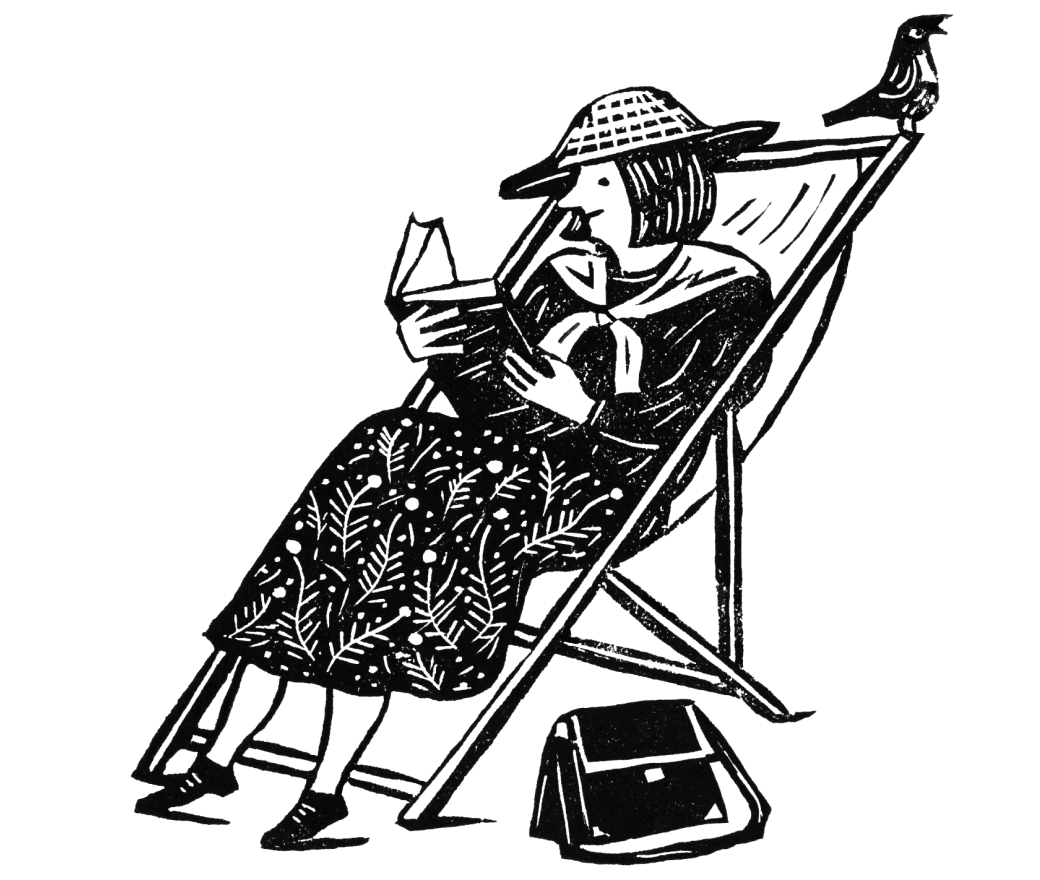
You didn't see it coming, or maybe, somewhere deep down, you did. The exhaustion that sleep no longer fixes. The irritability that creeps into moments you used to enjoy. The quiet feeling that you've lost track of who you are outside of caring. This is what a caring crisis looks like, and if any of it sounds familiar, you are far from alone.
How Burnout Creeps Up on Carers
Caring burnout rarely arrives all at once. It tends to build slowly, disguised as dedication.
Because you love the person you care for, it can feel natural, even right, to keep pushing through tiredness, to cancel plans, to skip meals, to put yourself last. Each individual sacrifice feels small. But over weeks, months and years, they accumulate.
Some early warning signs to watch for:
Persistent exhaustion that doesn't improve with rest
Feeling detached or numb: going through the motions without really being present
Increased irritability or anxiety, often with feelings of guilt about both
Neglecting your own health: skipping GP appointments, not eating properly, ignoring pain
Social withdrawal: losing touch with friends and family, feeling like no one could understand
A sense of hopelessness: feeling like there is no end or respite in sight
Read our full guide on symptoms of carer burnout here.
The cruel irony of carer burnout is that the worse it gets, the harder it becomes to ask for help. Many carers report feeling selfish for struggling, but caring for yourself is not selfish. It is essential.
Small Steps Towards Recovery
Recovery doesn't require a grand gesture or a complete life overhaul. Especially when you're time-poor and money-poor, it's the small, consistent things that make the biggest difference.
1. Take a proper break: even just one or two nights
This is the single most impactful thing you can do for your wellbeing. We know that feels like a big statement, but the evidence backs it up. Stepping away from your caring environment — even briefly — allows your nervous system to genuinely rest in a way it simply cannot at home.
Through Carefree, you can access a 1–2 night hotel stay (with just a small £38 admin fee) at hotels across the UK, with breakfast included. You can bring a friend or family member with you, and breaks are available twice a year.

You deserve to walk into a hotel room, close the door, and have nothing to do. No medications to manage, no needs to anticipate, no one relying on you. Even one night of that can shift something.
2. Let yourself do nothing, guilt-free
Rest is not laziness. When you're on a break or even just have an unexpected free hour, resist the urge to fill it with tasks. Sit with a cup of tea. Watch something mindless. Stare out of a window. Your mind needs unstructured time to recover.
3. Get outside, even briefly
A short walk, even ten minutes around the block, can meaningfully reduce stress hormones. You don't need a countryside hike or a gym membership. Fresh air and movement, however modest, help.
4. Eat something warm and nourishing
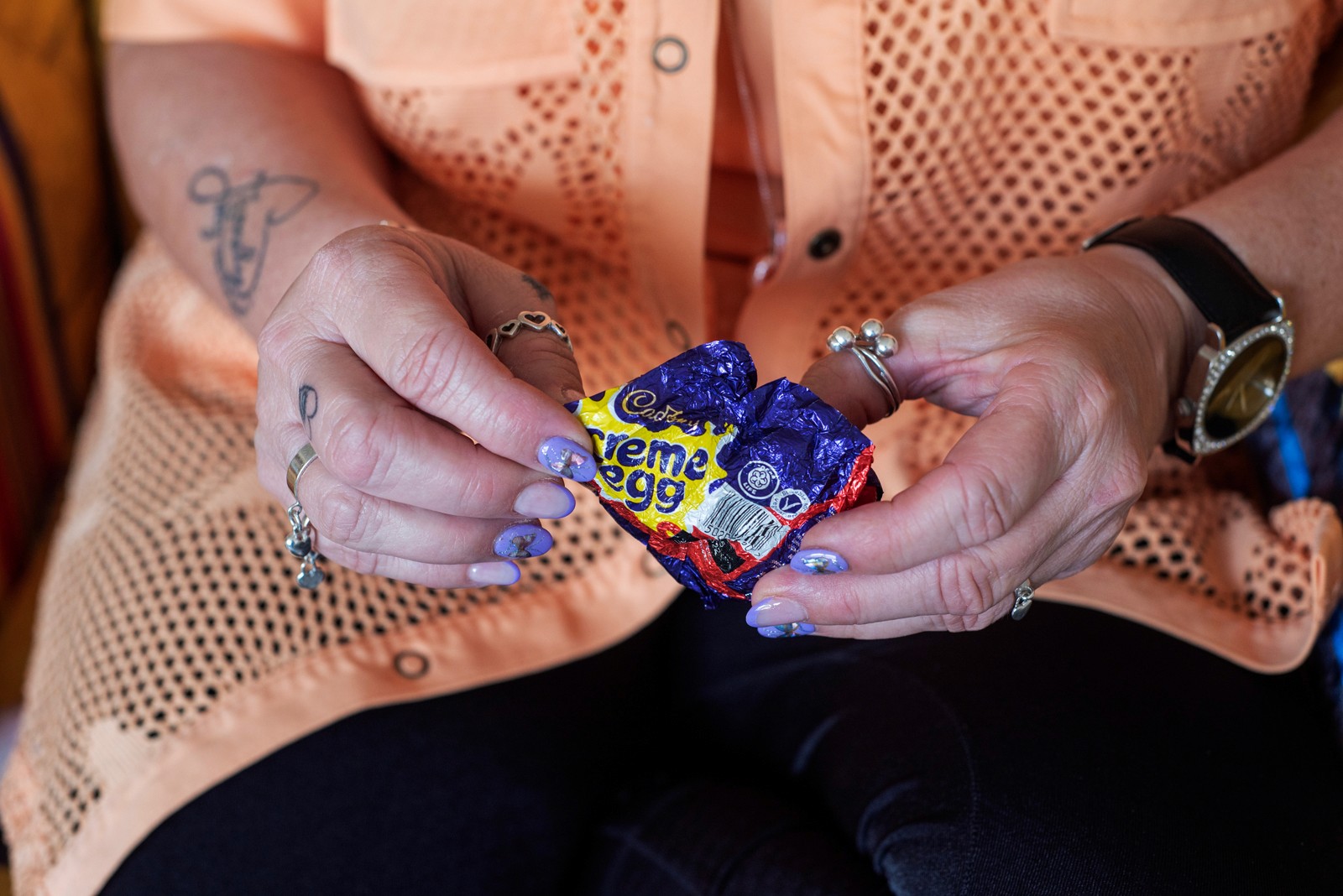
When you're exhausted, nutrition often slips. Ready meals, skipped meals, endless cups of tea. Try to have at least one warm, proper meal each day. It doesn't need to be complicated, even beans on toast counts.
5. Talk to someone who gets it
Isolation makes burnout significantly worse. Connecting with another carer who understands whether through a local carers' group, an online forum, or a charity, can provide enormous relief. Being heard matters.
6. Sleep as a priority, not an afterthought

If broken nights are a regular part of your caring role, explore whether any respite support could allow you one or two full nights of sleep per week. Even partial improvements to sleep can have a significant impact on mental and physical resilience.
7. Say yes to help when it's offered
Many carers find this genuinely difficult. If a friend, neighbour or family member offers to help — with shopping, sitting with your loved one, or simply making you a meal — try to accept. You do not have to manage this alone.
A Note on Seeking Professional Support
If you are experiencing symptoms of anxiety, depression or burnout that feel unmanageable, please do speak to your GP. You are entitled to healthcare too. Many GPs can also refer you to local carer support services which may offer additional practical and emotional help.
You Cannot Pour From an Empty Cup
It is one of the most overused phrases in the wellbeing world, and also one of the most true. The quality of care you are able to give is directly connected to your own wellbeing. Taking a break, resting, and recovering is not a retreat from your responsibilities. It is how you sustain them.
If a night or two away in a hotel could help you come back steadier, more present, and more like yourself, you owe it to yourself, and to the person you care for, to take it.