The charity sector is currently navigating a "glitter bomb" moment with Artificial Intelligence: it’s sparkling, it’s everywhere, and if not handled correctly, it can be very difficult to clean up.
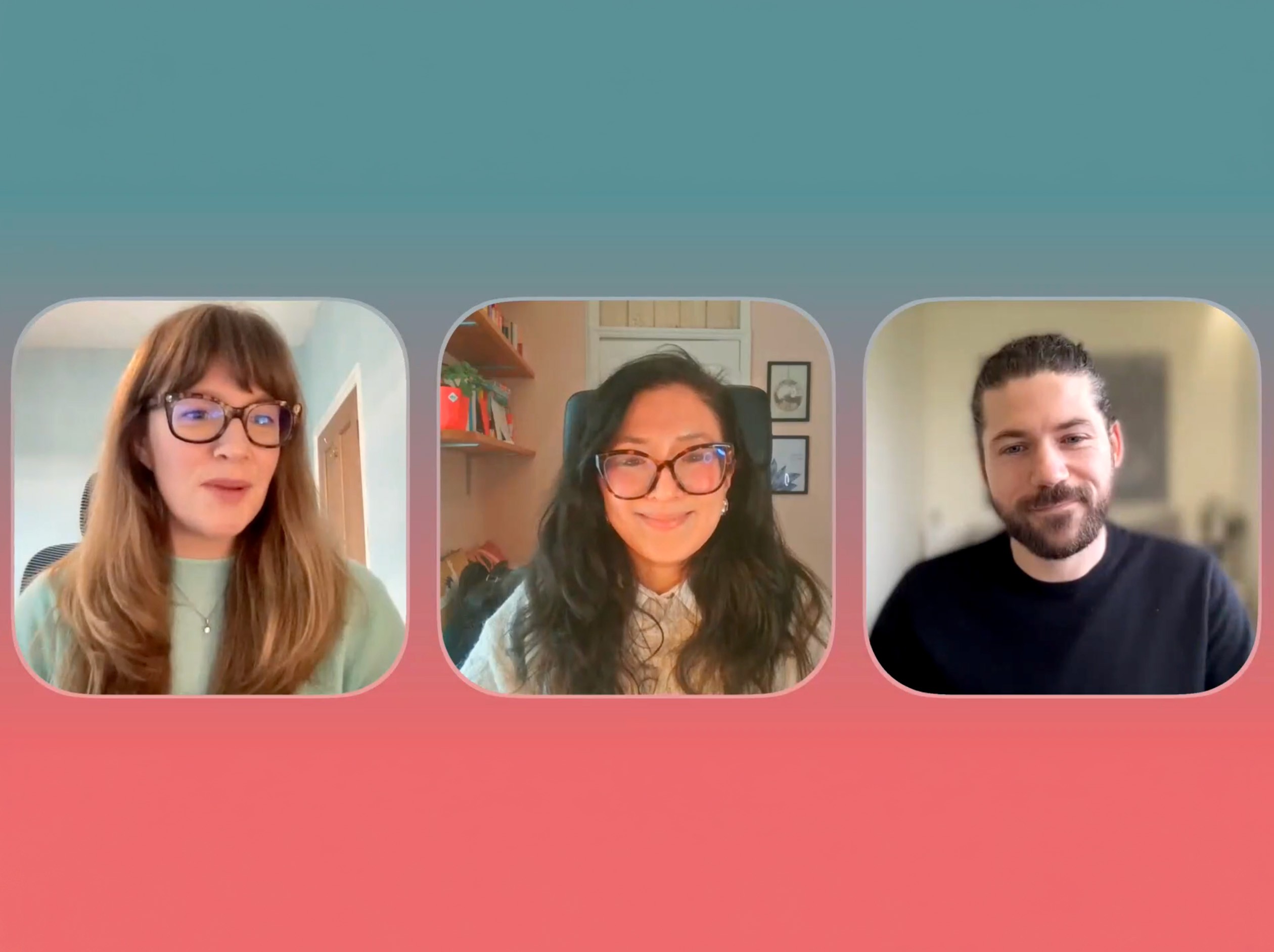
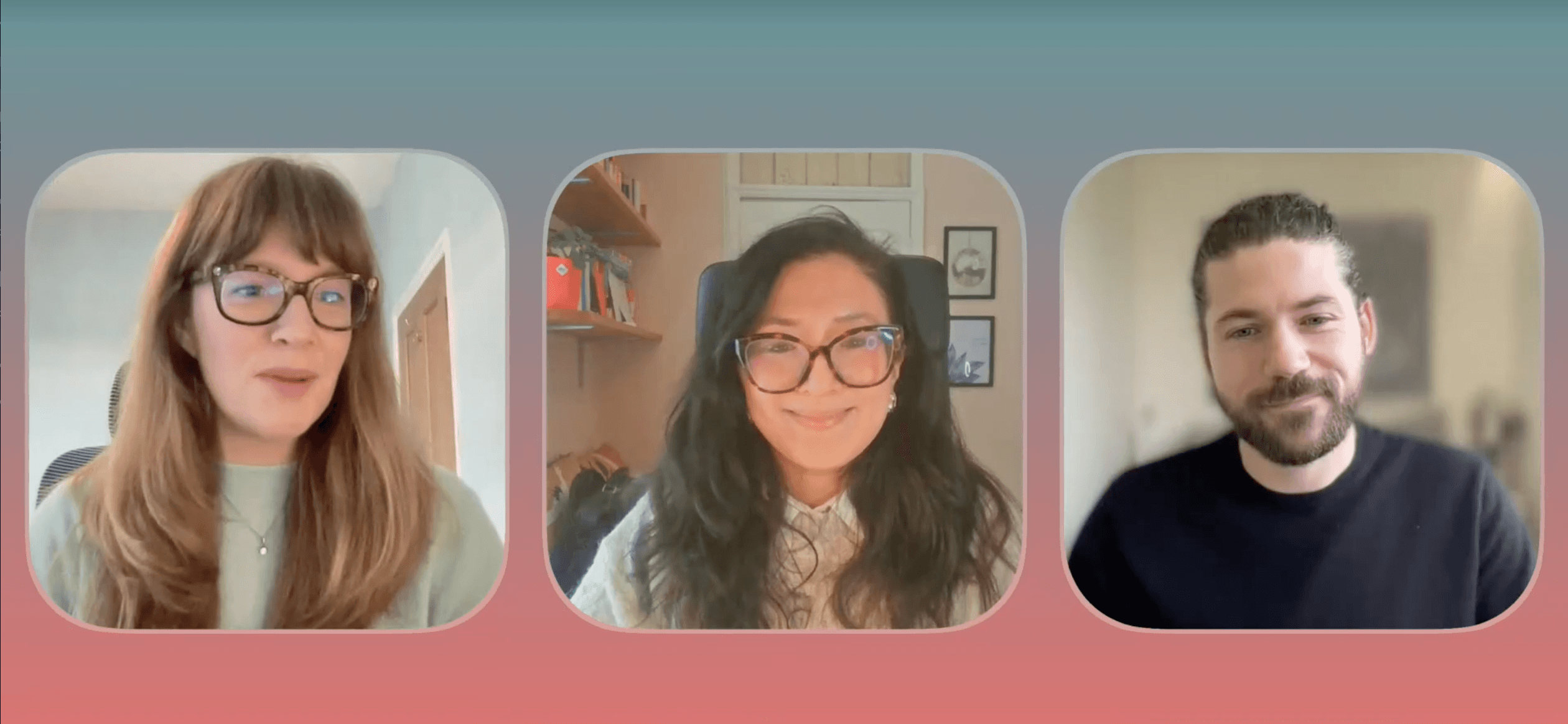
At the recent Third Sector Pounds & Purpose summit, Carefree’s CTO Joey Ceunen-Taylor and Zoe Amar, Director of Zoe Amar Digital and co-chair of the Charity AI Taskforce, sat down to discuss how organisations can harness AI to scale their mission without compromising their security or soul.
Watch the full session for free here
The State of the Sector: Rapid Growth vs. Skill Gaps
Zoe Amar opened the session with striking data from the Charity Digital Skills Report, noting that AI adoption has jumped from 61% to 76% in just one year. However, she flagged a critical bottleneck at the leadership level.
"36% of charities said that their CEO has poor AI skills, while 44% said the same of their boards," Zoe noted. "How can we make sure that our leaders and trustees have the right skills so they can exercise the right strategy, scrutiny, and support?"
Joey echoed this challenge, sharing that while Carefree is "tech-first," achieving buy-in required proactive steps: "Our board of trustees were just not strong with AI. They’re very open... but we hired a specific tech trustee who works for one of the big AI companies, and that’s been really helpful."
Lessons in Scaling: From "Dumb" Bots to 92% Happiness
For Carefree, a charity with only eight staff members supporting 50,000 users, AI is a necessity for survival. Joey was candid about the journey of trial and error:
"Three years ago, we tried a chatbot which was more a 'dumb if-this-then-that', and our users hated it. We closed it down after two or three days because it was so detrimental to their experience."
Today, the approach is different. By using sophisticated conversational agents, Carefree now handles 72% of inquiries via AI. Joey emphasised the impact: "We can meet our users, our unpaid carers, where and when they need it most... 90% of the questions are repetitive and just need someone to explain it in clear language."
Governance: The "Traffic Light" Guardrails
A major theme of the discussion was Accidental Adoption—staff using AI tools informally without a policy. Zoe argued that a policy must be a "living document" co-designed with staff, rather than a top-down mandate.
To manage this, Joey introduced Carefree’s rigorous Data Classification System, a practical model any charity can adopt:
Green: Publicly available info.
Amber: Internal but non-sensitive data.
Red: Personal beneficiary or health data.
"The overall big, simplest rule of all is to never, ever use non-anonymised data in any of our AI tools," Joey stated. "Keeping that simplicity helps everyone understand where we’re at and helps us govern the risks."
Zoe added a warning regarding the "movable feast" of tech terms and conditions: "Please do keep an eye on the T’s and C’s... I found with Claude, for example, that we had to go back into the backend and toggle it to make sure that data going into the training model was not happening by default."
The Ethics of the "Glitter Bomb"
The conversation didn't shy away from the environmental and ethical impact of AI. Zoe described AI as a "glitter bomb" because it is now embedded in almost every tool we use (Microsoft, Google, etc.), making it nearly impossible to avoid.
On the environmental front, Zoe pushed for better tracking: "It’s actually really hard currently to measure your carbon footprint from AI usage... we need to push as a sector to get some accessible, free, low-cost tools."
Joey’s practical solution is to avoid "wasteful" AI usage:
"Avoid those 'glitter-in' ones... focus on one strong environment and system that we pay for. Most of these big players offer nonprofit discounts. It’s very worth paying for a tier-one product to avoid the free ones where ultimately you, the team, and your users are the product."
Practical Next Steps for Charities
If you are a small charity feeling overwhelmed, Zoe and Joey offered a clear roadmap:
Get Learning Out in the Open: Zoe suggests creating spaces where staff can admit they are using AI without feeling "naughty."
Service Design First: "You can’t wrap AI around a process that’s broken," Zoe warned. Map your workflows before choosing a tool.
Governance Before Acceleration: Joey’s golden rule: "Get those cybersecurity basics right first. For us, it’s always, always governance first and then acceleration."
The Sandbox Approach: Joey recommends letting teams play within "safe boundaries" to foster autonomy and empowerment.
Conclusion: Riding the Wave
The final consensus? Don't wait. As Zoe pointed out, waiting is a decision that carries its own risks. By combining Zoe’s strategic oversight with Joey’s "governance-first" technical execution, charities of any size can use AI to ensure they are providing the best possible service to those who need it most.